Throughout the history of Western interior design, few styles possess a vitality as enduring as Classical and Neoclassical design. Spanning over two millennia of development – from ancient Greek temples and Roman structures to Renaissance palaces and contemporary European mansions – these two styles remain symbols of luxury, order, and timeless beauty.
Unlike many design trends that emerge and quickly fade with shifting tastes, Classical and Neoclassical design are built upon foundational aesthetic principles: proportion, scale, symmetry, balance, and harmony. These are not merely design rules, but the result of centuries of study in mathematics, philosophy, art, and human spatial perception.
It is precisely these principles that established Classical and Neoclassical design as the design language of choice for European nobility, royalty, and the upper class for centuries, while retaining their full value in high-end twenty-first-century interiors.
To truly understand these two styles, one must look back at the entire historical progression that shaped them.
Origins: From Ancient Greece to the Roman Empire
The Classical style originated in ancient Greek civilization around the 5th to 4th centuries BCE, where philosophers and architects believed that beauty was not subjective, but created through order, proportion, and mathematics.
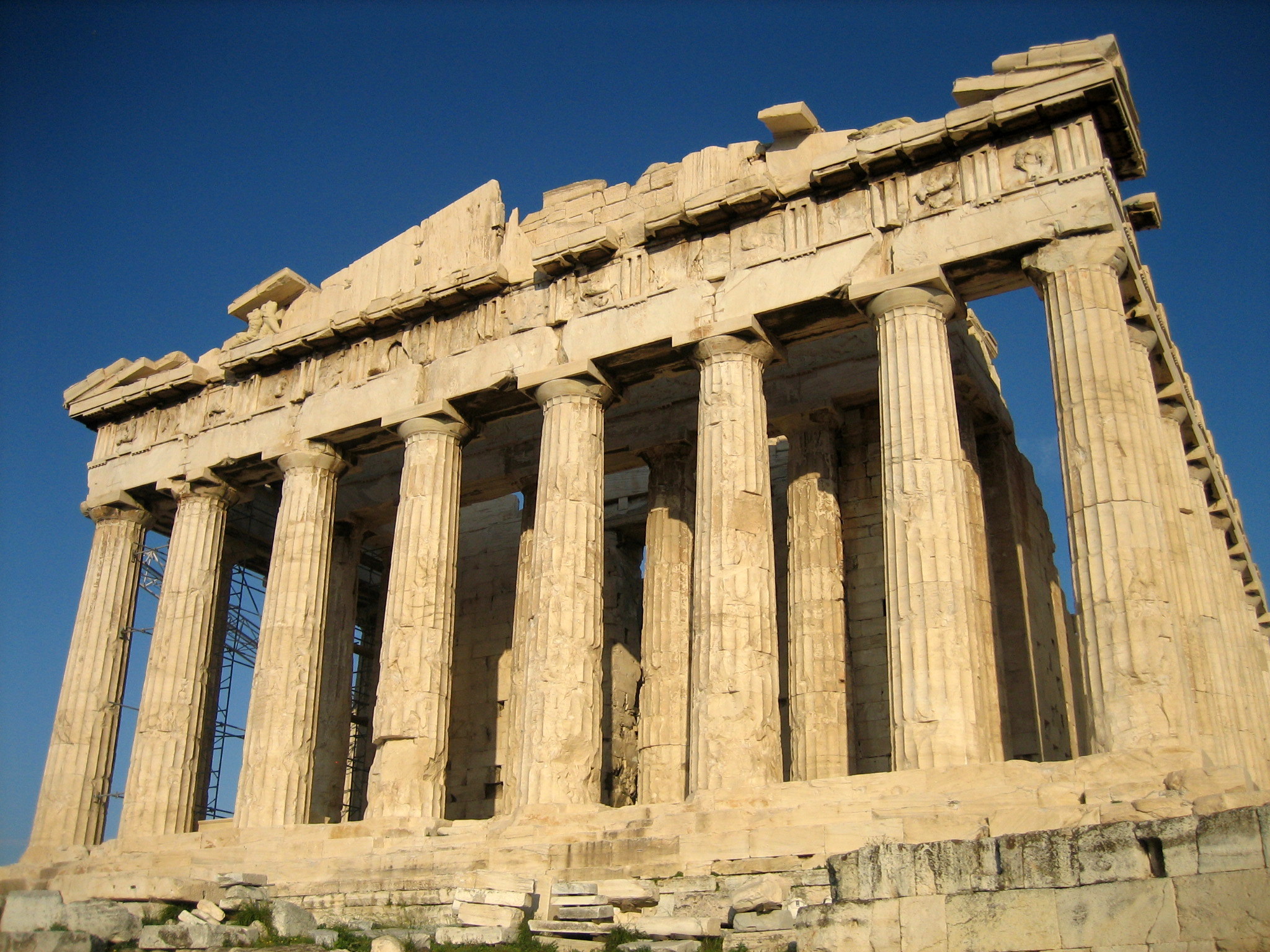
Parthenon
For the Greeks, a beautiful structure had to achieve absolute balance among its constituent parts. Column heights, distances between columns, roof proportions, door sizes, and bases were all calculated according to strict rules.
This gave rise to the three classical orders – a regulatory system considered the “grammar” of Western architecture:
-
Doric: Robust, powerful, and minimalist.
-
Ionic: Elegant with characteristic volute scrolls.
-
Corinthian: Exquisite with soft acanthus leaf motifs.
The three orders governed not only decorative forms but also established the proportions, structure, and rhythm of the entire building. They became the foundation for nearly all European architecture for over two millennia.
The Romans subsequently adopted the entire system of Greek aesthetics while achieving monumental advancements in construction techniques. Their use of concrete, arches, vaults, and aqueducts enabled them to construct large-scale monuments such as the Pantheon and the Colosseum.
Beyond architecture, the Greco-Roman philosophy of proportion and order laid the groundwork for all Western interior design.
Architecture and Interior Design: Two Languages of the Same Mindset
If classical architecture organizes space through proportion, axes of symmetry, and architectural orders, classical interior design continues these principles through furniture layout, molding systems, materials, and lighting.
The beauty of a classical space does not derive from individual pieces, but from the harmonious relationship among all components.
A beautiful chair alone is not enough to create a beautiful room; more important is its position within the whole, its distance from surrounding objects, its scale relative to the room, and the visual balance it helps create.
This is why Classical interiors always evoke a sense of solemnity, stability, and permanence.
The Renaissance Revival
Following centuries of the Middle Ages, Europe entered the Renaissance in the 15th century.
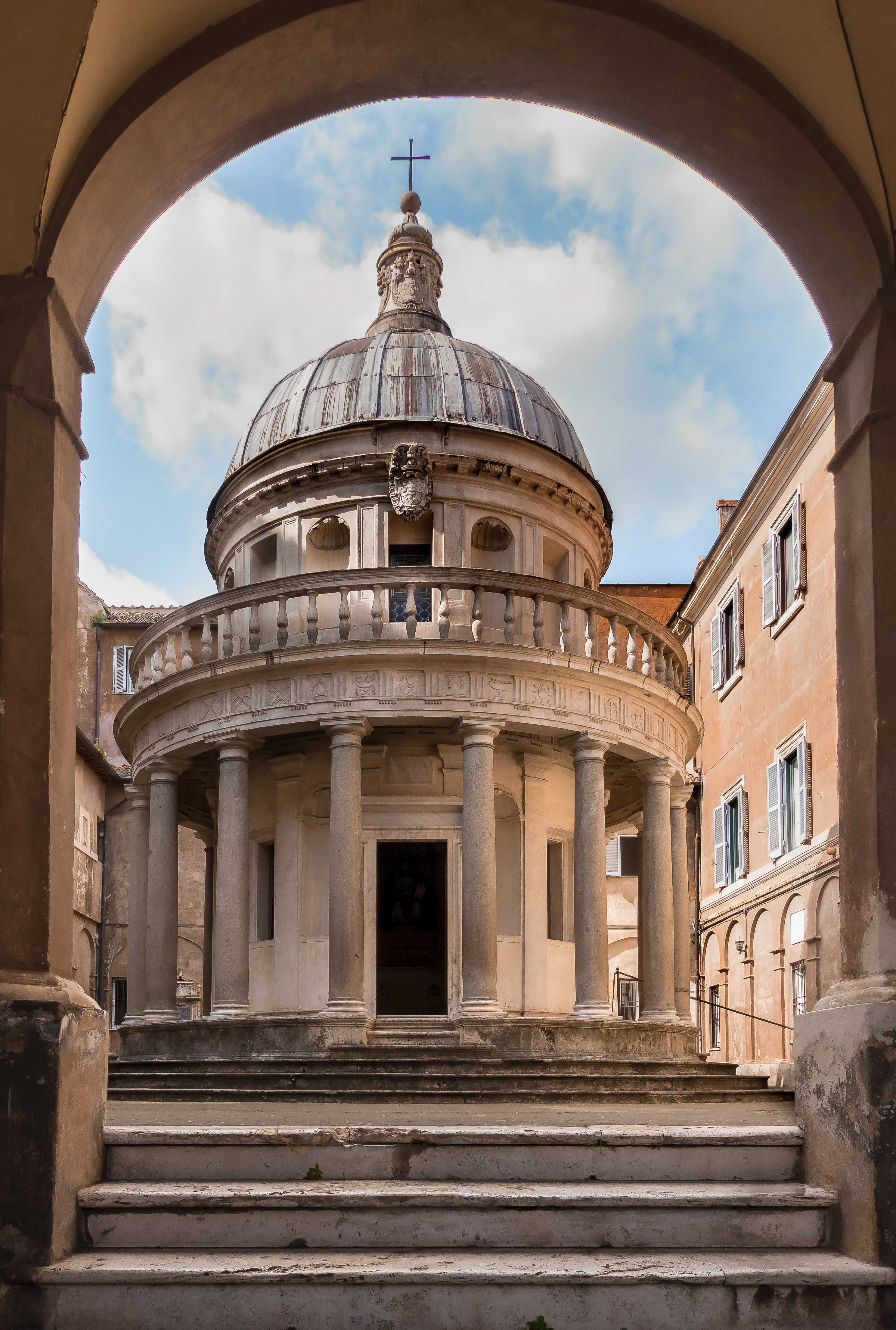
Tempietto, S. Pietro in Montorio, Rome (Loth)
Scholars and architects returned to studying ancient Greek and Roman structures to restore the humanistic, scientific, and aesthetic values that had been lost.
Architects such as Filippo Brunelleschi, Leon Battista Alberti, and Andrea Palladio re-established classical principles of geometry, symmetry, and proportion.
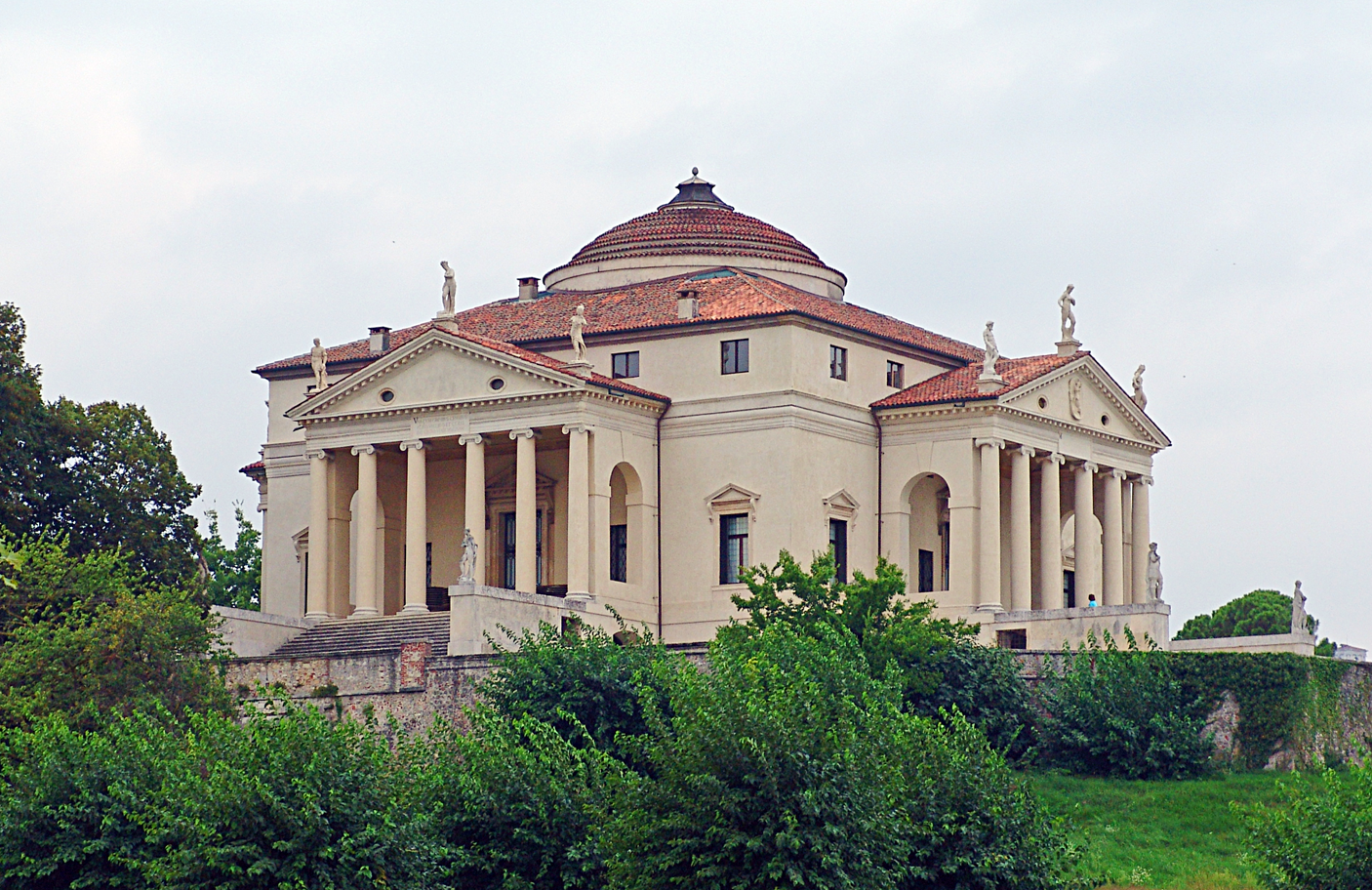
La Rotonda
Interiors of this era were no longer defensive like medieval castles; instead, they became bright, balanced, and more human-centric.
Rooms were organized along clear axes of symmetry. Windows, fireplaces, staircases, moldings, and ceilings all adhered to a unified system of proportions.
The concept of the Classical Interior began to take shape here.
Baroque and Rococo: When Opulence Reached Its Peak
Entering the 17th century, Europe witnessed the powerful growth of the Baroque style.
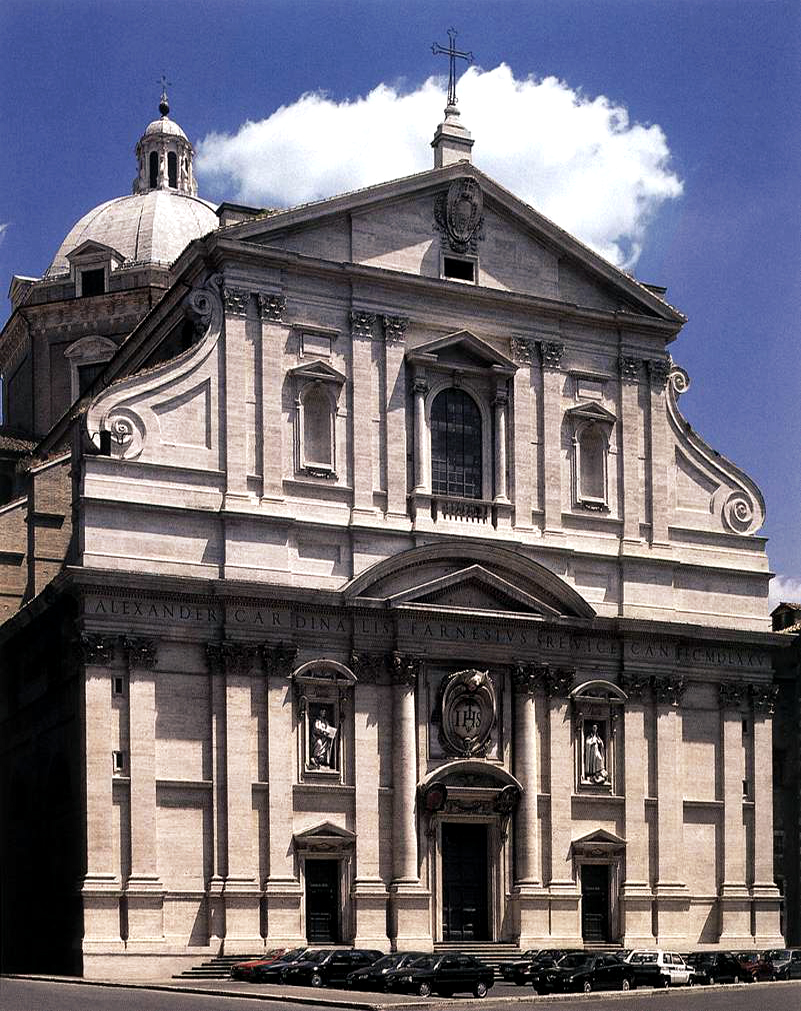
Baroque emphasized drama, movement, and expressiveness. Grand curves, twisted columns, frescoed ceilings, gold leaf, and dense decorative details were employed to project the power of the Church and European monarchies.
By the early 18th century, Baroque gradually evolved into Rococo—a lighter and more decorative style.
Rococo utilized asymmetrical curves, shell motifs, soft floral patterns, and pastel palettes to create a romantic and airy atmosphere.
Despite reaching the pinnacle of decorative arts, both Baroque and Rococo were eventually viewed as overly ornate and drifting away from the balanced spirit of classical art.
The Golden Age of Classical Interiors
The 17th and 18th centuries also marked the peak of Classical interior design, particularly in France under the reign of Louis XIV.
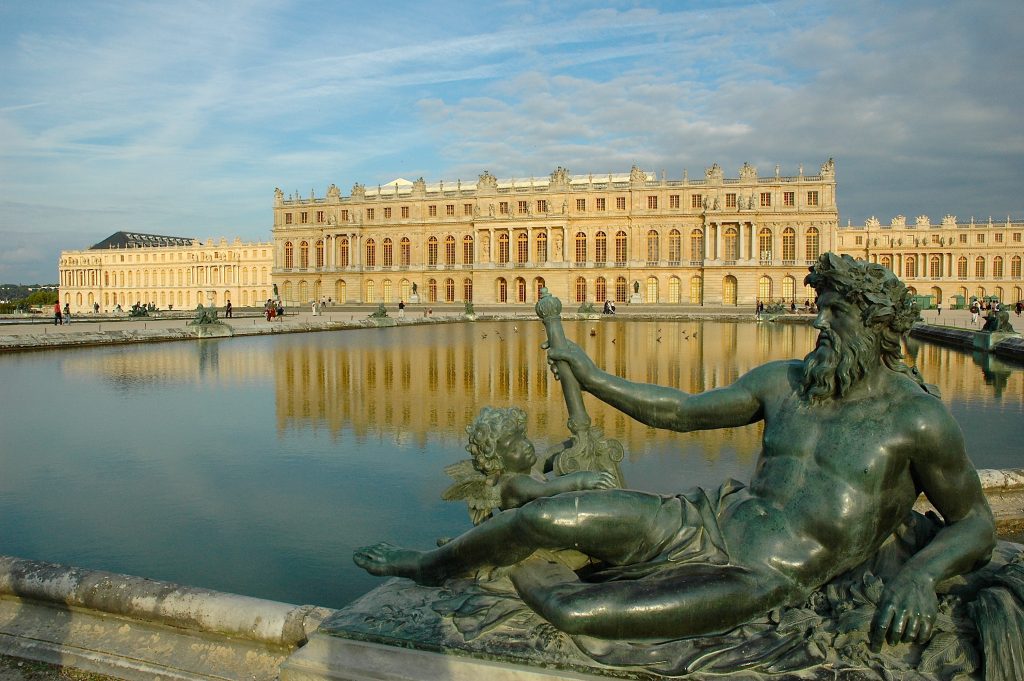
Week-end au château de Versailles
The Palace of Versailles became the model for European interior decoration:
-
Spaces were organized to project the absolute power of the monarch.
-
Soaring ceilings featured large frescoes.
-
Walls were divided into balanced panels by molding systems.
-
Corinthian columns appeared in grand halls.
-
Crystal chandeliers served as central focal points.
-
Furniture was handcrafted from precious woods, exquisitely carved, and gilded with gold leaf.
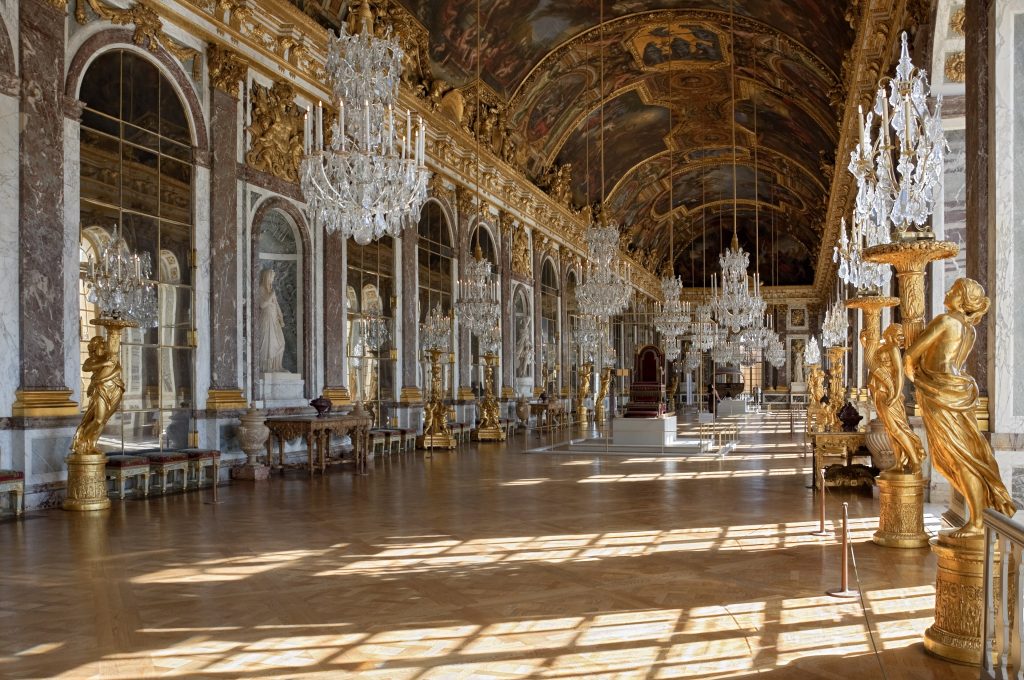
Chateau de Versailles – Galerie des Glaces
Despite extreme opulence, every detail still adhered to strict geometric order.
The evolution of French interiors is typically divided into three periods:
-
Louis XIV: Powerful, monumental, and symmetrical.
-
Louis XV: Soft, fluid, influenced by Rococo.
-
Louis XVI: More restrained, paving the way for the Neoclassical style.
The Birth of the Neoclassical Style
In the mid-18th century, the excavation of Pompeii and Herculaneum sparked intense interest in authentic Greek-Roman art.
Amidst Enlightenment ideals celebrating reason and science, the Neoclassical style emerged as a reaction against the elaboration of Baroque and Rococo.
Architects sought a return to the beauty of balance, proportion, and order.
Neoclassical design retained the foundational principles of Classical design while stripping away most redundant decorative details. This represents the single most important difference between the two styles.
Design Philosophy
The core of Classical design lies not in the quantity of decorative details, but in proportion.
In classical design, two concepts always go hand in hand:
-
Proportion is the relationship between the size of an object and the space.
-
Scale is the ratio among the parts of the same object or building.
A room may utilize very large pieces yet still feel harmonious if these two principles are respected.
Most Classical spaces are organized around a central axis. Fireplaces, chandeliers, main doors, and seating areas typically lie on the same visual axis, generating a sense of stability and solemnity.
The philosophy of the style can be summarized in five elements:
-
Symmetry
-
Balance
-
Proportion
-
Order
-
Harmony
Every decorative detail serves these principles.
Characteristics of Classical Interiors
A typical Classical space features:
-
High ceilings
-
Multi-layered molding systems
-
Columns and pilasters
-
Doors nearly reaching the ceiling
-
Clear axes of symmetry
-
Exquisitely carved furniture
-
Large fireplaces
-
Large-format mirrors
-
Crystal chandeliers
-
Oil paintings
-
Sculptures
Lighting plays an exceptionally crucial role. Historically relying on candles, modern spaces utilize crystal chandeliers combined with indirect lighting, allowing marble surfaces, polished woods, and metals to reflect multiple layers of tones, accentuating the beauty of the materials. The space constantly radiates a solemn, prestigious, and deeply dimensional atmosphere.
Characteristics of Neoclassical Interiors
Neoclassical design preserves the proportion and layout systems of Classical design while discarding most cumbersome details. Wall panels are divided by slender moldings. Furniture retains classical curves yet reduces carved detailing. Consequently, spaces become lighter, more elegant, and compatible with modern living paces.
Today, this style finds widespread application in villas, high-end apartments, five-star hotels, and prestigious reception venues.
Key Differences Between the Two Styles
Although both share roots in classical artistic principles like proportion, symmetry, balance, and harmony, Classical and Neoclassical design express distinct aesthetic viewpoints.
-
Classical design aims for grandeur, power, and symbolism. Spaces feature large scales, soaring ceilings, massive column systems, multi-layered moldings, and intricate carvings. Each piece of furniture functions as a work of art, crafted elaborately with ornate lines, gold plating, or inlaid precious materials. Colors run deep and rich, such as Burgundy, Emerald, Navy, or Gold, cultivating a luxurious and majestic ambiance.
-
Neoclassical design, by contrast, inherits the proportional and layout systems of Classical design while eliminating unnecessary ornamentation. Molding lines are simplified, wall surfaces become cleaner, and furniture maintains elegant curves while dropping elaborate carvings. Spaces thus yield a lighter, more refined, and intimate feel aligned with modern lifestyles.
The difference does not lie in one style being “more detailed” than the other, but in how they express beauty. While Classical design conveys magnificence through scale, richness of detail, and ceremonial nature, Neoclassical design pursues the beauty of restraint, where disciplined proportions, premium materials, and balanced layouts generate aesthetic value.
Characteristic Materials
Materials frequently appearing in Classical and Neoclassical interiors include:
-
Carrara marble
-
Travertine
-
Onyx
-
Walnut
-
Oak
-
Mahogany
-
Cast bronze
-
Brass
-
Gilded bronze
-
Crystal
-
Natural leather
-
Silk
-
Velvet
-
Linen
-
Precious wood veneer
-
Lacquer
-
Hand-applied plaster
The value of these materials lies not only in their high cost, but in their capacity to age gracefully over time.
Color Palettes
-
Classical style typically employs: Ivory, Champagne, Burgundy, Emerald, Navy, and Gold.
-
Neoclassical style prioritizes: White, Beige, Greige, Taupe, Walnut, and Brass.
Contemporary Classic: Inheritance in the 21st Century
Today, very few projects replicate traditional Classical design in its original form.
Instead, many designers opt for a Contemporary Classic approach.
This is not an independent historical style, but a fusion of Classical architectural principles with contemporary design language.
Spaces retain disciplined proportions, balanced layouts, and premium materials, yet feature streamlined details, optimized functionality, and integrated modern technology.
This exact synthesis keeps classical values relevant to twenty-first-century lifestyles.
From Theory to Practice: Lucas Villa Hamburg
A quintessential proof of the inheritance of the Classical spirit in a modern context is Lucas Villa Hamburg, a villa project in Hamburg, Germany, executed by interior designer THÁI CÔNG.
The project does not copy a historical style verbatim; rather, it translates the principles of Classical and Neoclassical design into a contemporary living space.
The entire layout organizes around clear visual axes. Bookshelves balance symmetrically across a central fireplace, while armchairs and settees arrange harmoniously, projecting a sense of stability and dignity.
Wall and ceiling moldings are handled with precise proportions, honoring classical architectural heritage while preserving the sleekness of the Neoclassical spirit.
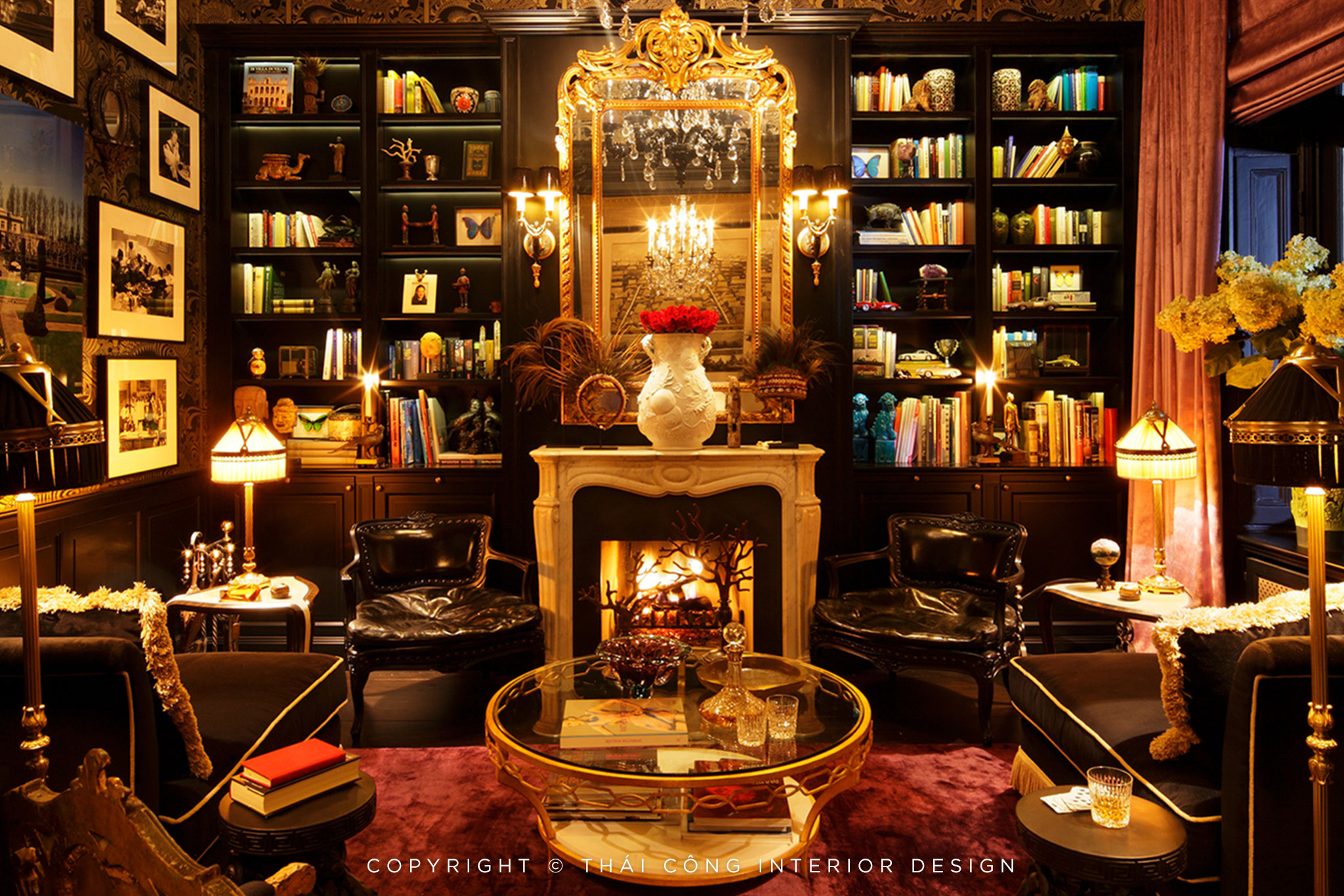
The project’s value also rests in the art of curation – selecting and combining interior elements.
Each piece is chosen based on correlations in proportion, material, color, and historical context, rather than sheer material worth. This curatorial process yields a cohesive whole endowed with cultural depth and distinct identity.
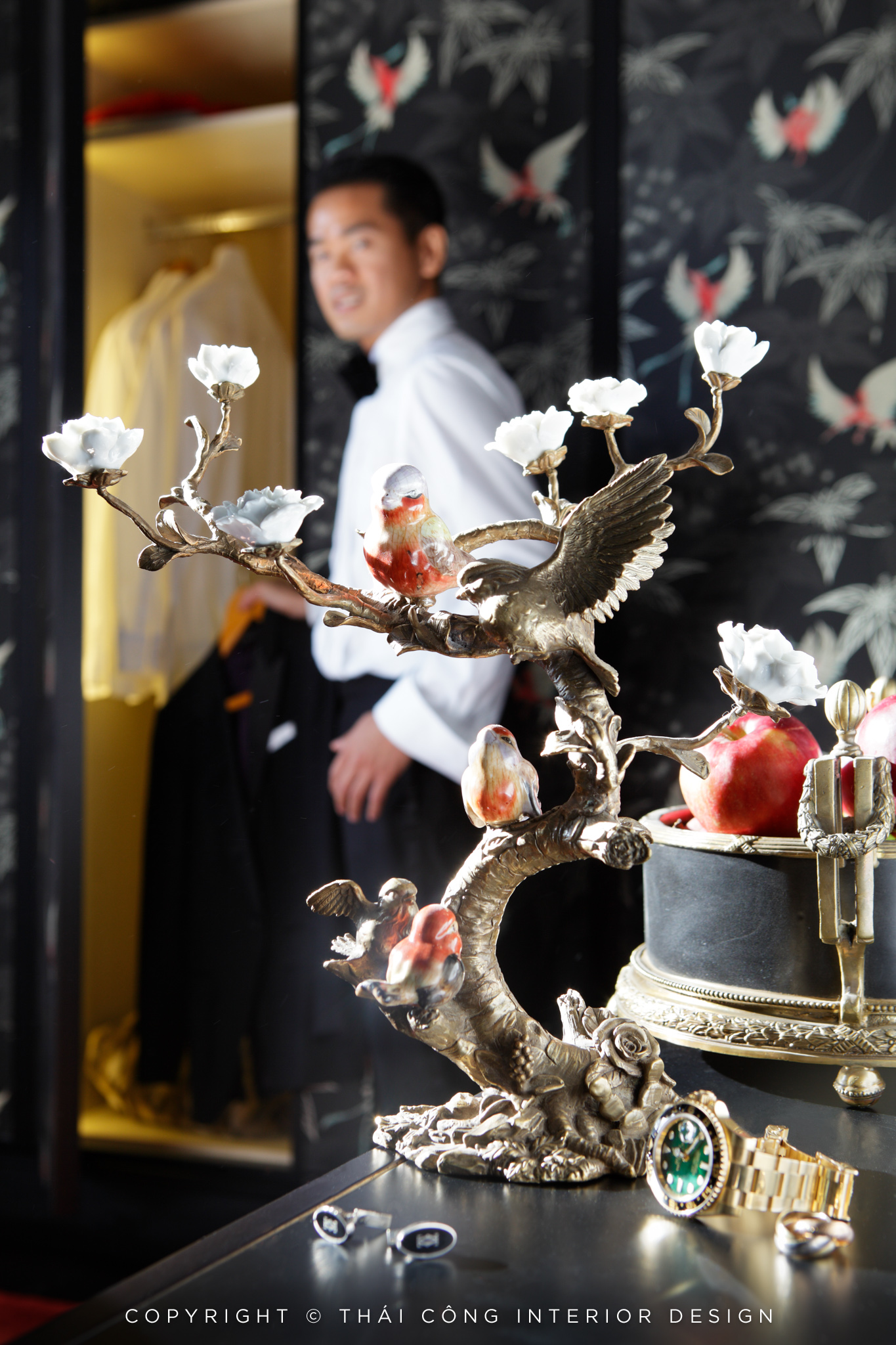
Materials like polished ebony, natural marble, crystal, velvet, and plated metals create multi-layered emotional dimensions when interacting with natural light and chandelier systems.
The color palette – comprising the black of cabinetry, the golden glow of metals, the deep purple of rugs, and the red accent of fresh flowers – injects visual depth and a prestigious aura, echoing studies and salons of European mansions.
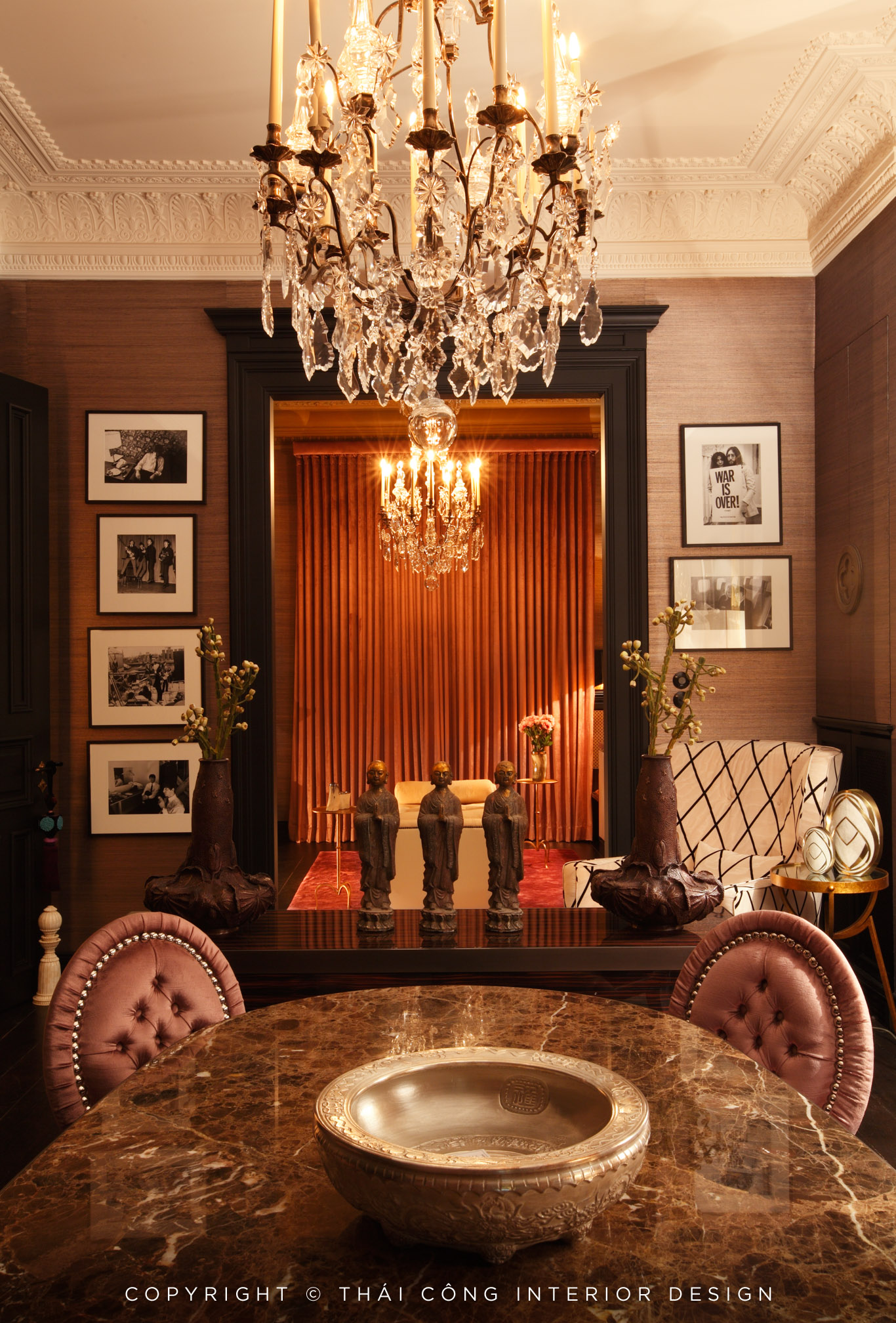
Significantly, Lucas Villa Hamburg avoids becoming a museum of the past. Lighting, functionality, circulation, and modern amenities integrate discreetly, enabling the residence to fully answer contemporary living needs while upholding the classical spirit.
 This exact balance between historical value and modern living requirements defines the identity of Lucas Villa Hamburg, proving that principles formulated over two millennia ago retain the power to forge world-class living spaces in the twenty-first century.
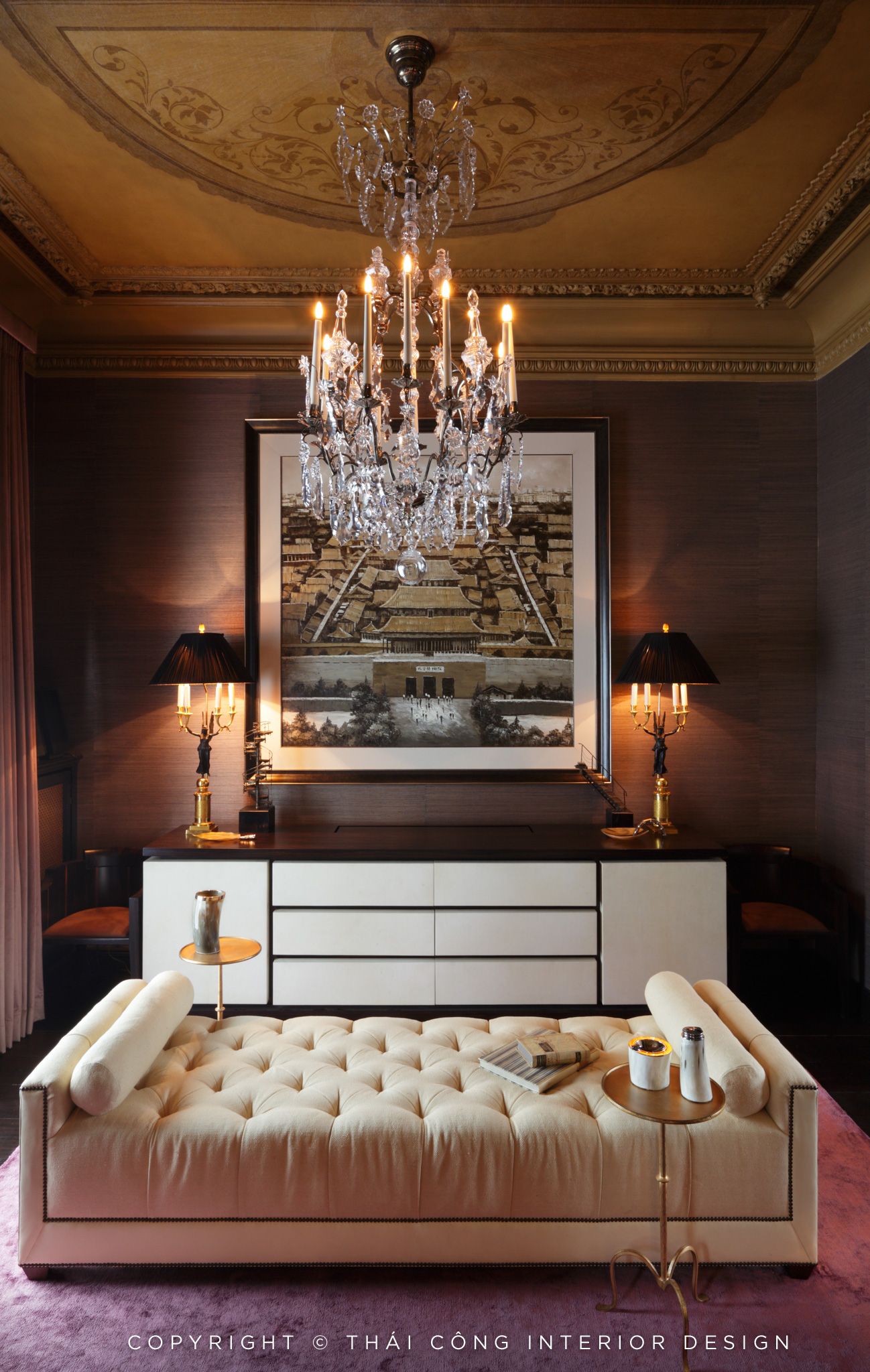
Over two millennia, countless design trends have emerged and vanished alongside shifting tastes. Nonetheless, the principles of proportion, symmetry, and balance inherent to Classical architecture continue to be inherited and reinterpreted across eras. Built upon foundational laws of aesthetics and visual perception, these two schools endure not merely as past heritage, but as a design language capable of transcending time.
That explains why, to this day, spaces bearing a Classical and Neoclassical spirit remain favored selections for villas, hotels, mansions, and high-end interiors worldwide. They express luxury alongside a command of cultural history, art history, and an aspiration to forge sustainable values across generations.
You can view project details at: Lucas Villa Hamburg
References: The content of this article has been compiled based on research works and specialized literature concerning the history of architecture, interior history, and Western aesthetics, including authors Francis D.K. Ching, Sir Banister Fletcher, John Summerson, Hugh Honour, Andrea Palladio, Vitruvius, alongside documentation from The Metropolitan Museum of Art, the UNESCO World Heritage Centre, and documentation regarding the Lucas Villa Hamburg project by Thai Cong Interior Design.



![[Kiến trúc & Đời sống] NTK Thái Công nhận danh hiệu nhà thiết kế có ảnh hưởng lớn ở châu Á năm 2026](https://thaicong.com/wp-content/uploads/cache/2026/04/824x500/DOTY-01.jpg)
![[VTV] NTK Thái Công đạt danh hiệu Asia’s Most Influential Designer 2026](https://thaicong.com/wp-content/uploads/cache/2026/04/824x500/DOTY-09.jpg)

